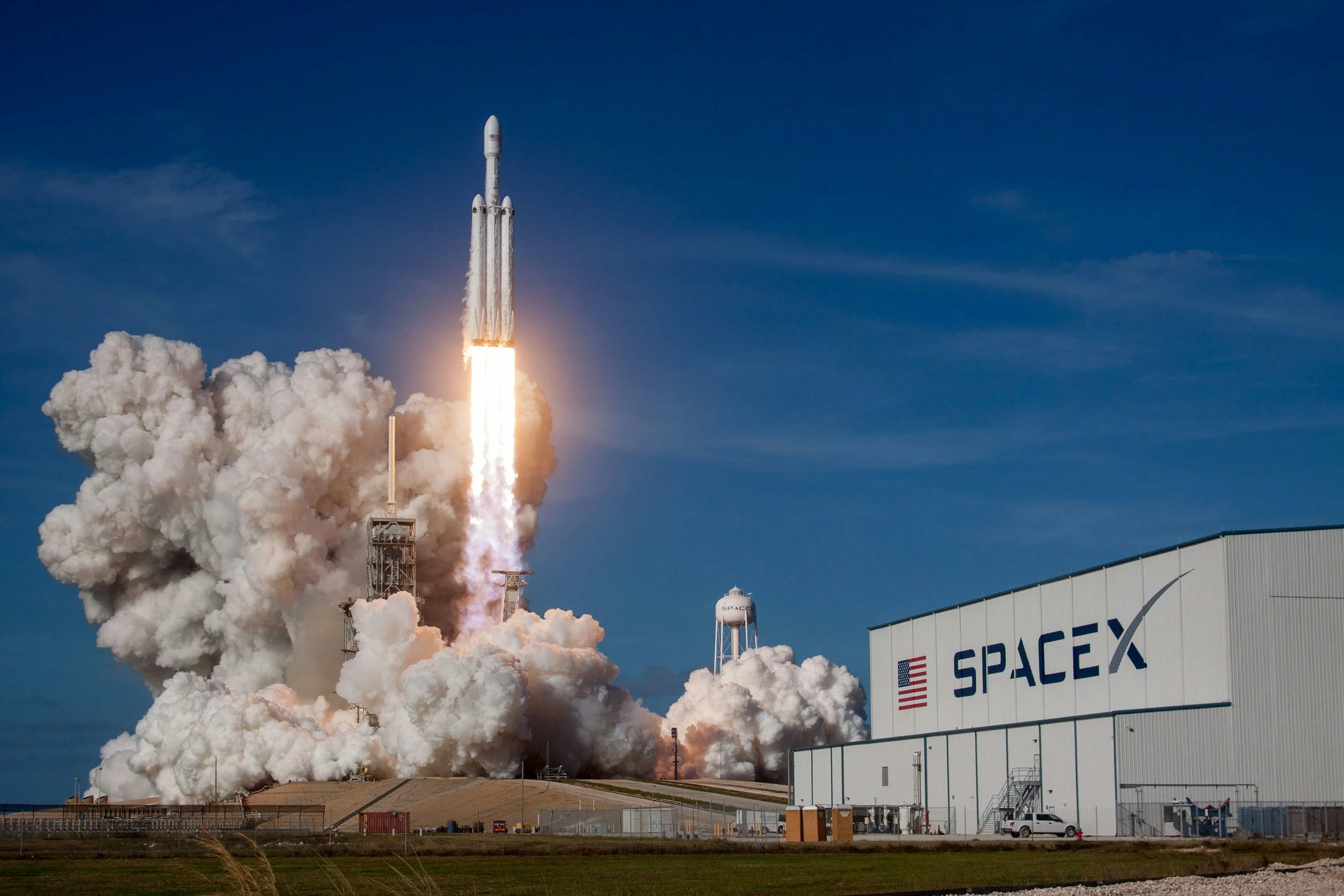
SpaceX Falcon 9 rocket launches
SpaceX has successfully conducted another launch for its Starlink satellite network.
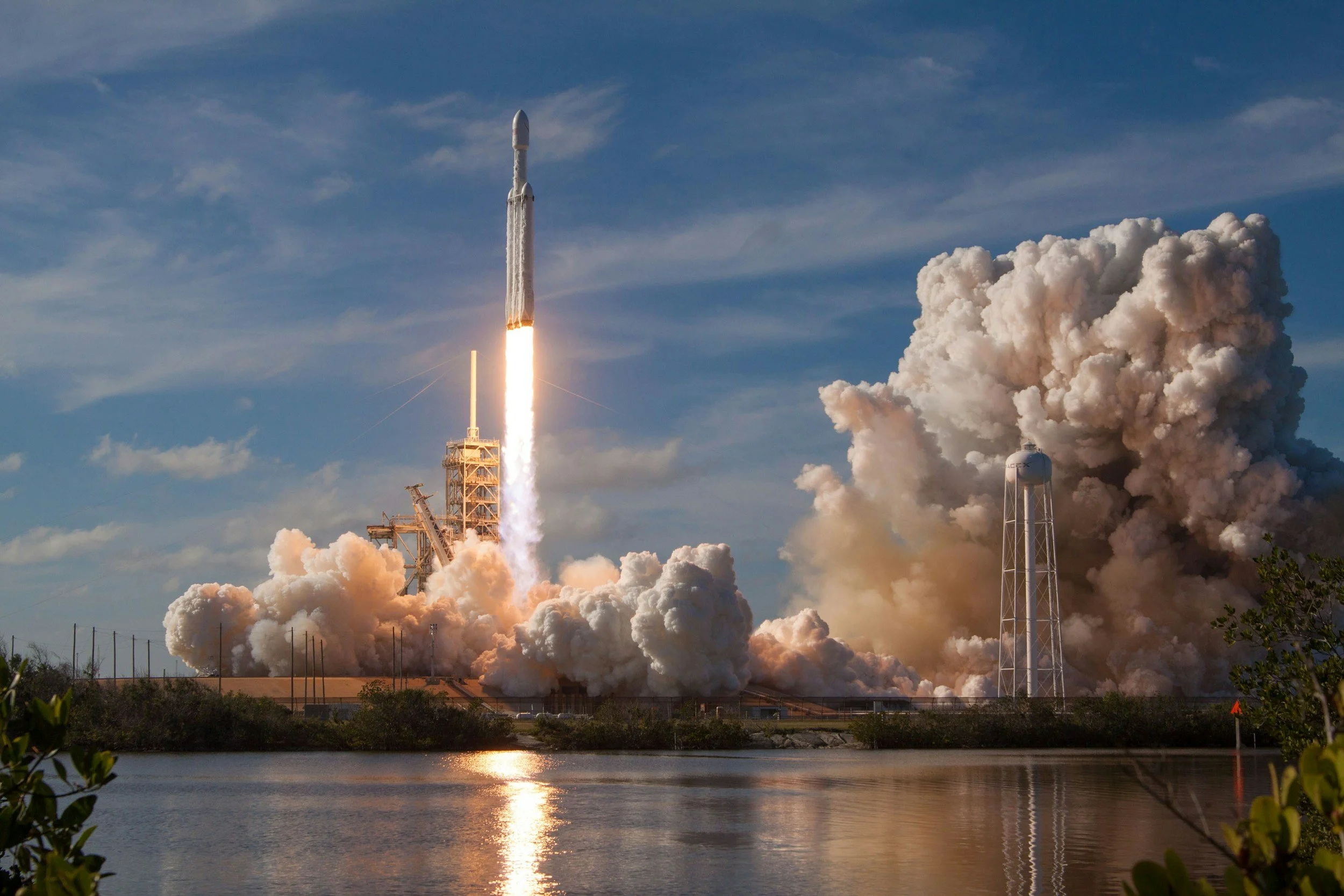
On Sunday, January 18th, the company deployed 29 additional Starlink satellites, designated Group 6-100, into low Earth orbit. The Falcon 9 rocket lifted off at 6:31 p.m. EDT (2331 GMT) from Space Launch Complex 40 at Cape Canaveral Space Force Station in Florida.
Roughly nine minutes after launch, the rocket's upper stage achieved its preliminary orbital altitude. It was then scheduled to release its cargo approximately one hour after liftoff, following a coast phase and a second ignition of its Merlin engine.
This flight represented the 24th successful reuse of the Falcon 9's first stage, specifically booster B1080. The booster then executed a propulsive landing, settling onto its four extended landing legs on the autonomous drone ship "A Shortfall of Gravitas," positioned in the Atlantic Ocean.
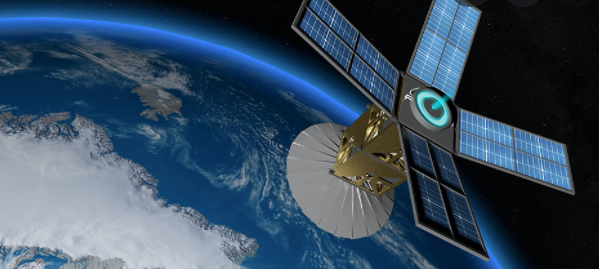
The expanding Starlink satellite constellation now comprises over 9,500 active spacecraft, according to data from observer Jonathan McDowell. This network delivers internet service to remote areas globally where other forms of connectivity are limited. The service also facilitates Wi-Fi availability on aircraft and enables direct cell-to-satellite communication for specific telecommunications companies.
This mission was SpaceX's 8th launch of 2026 and the 591st flight of a Falcon 9 rocket since 2010.
Reference
by Robert Z. Pearlman , SpaceX Falcon 9 rocket launches 29 Starlink satellites to orbit from Florida
space.com Available at https://www.space.com/space-exploration/launches-spacecraft/spacex-starlink-6-100-b1080-ccsfs-asog
(Assessed: 20th January 2026)