Interstellar 'tunnel' that connects our solar system to other stars
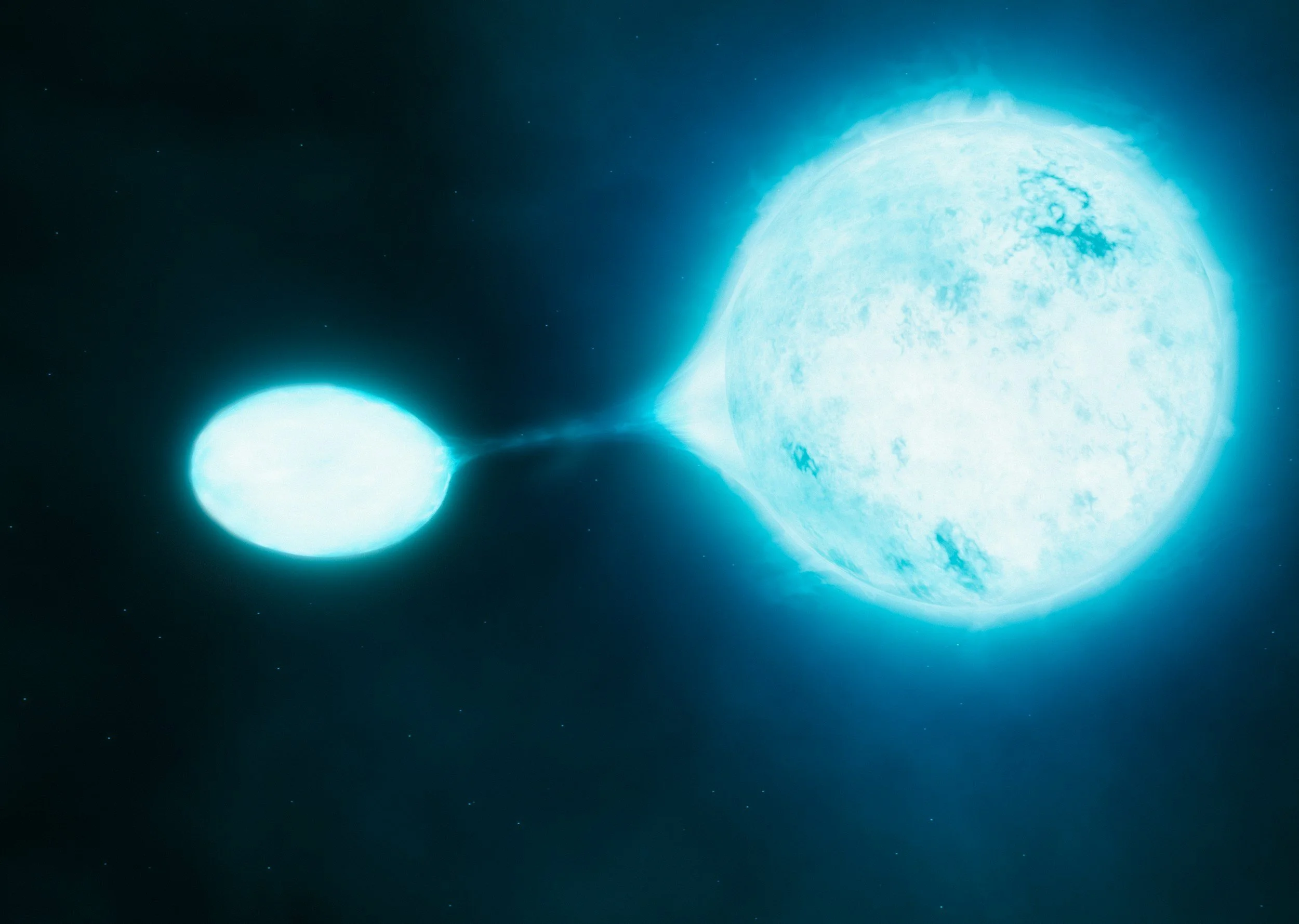
Turns out we've been living inside a hot, sparse region of space, and there might even be a strange "cosmic tunnel" connecting us to distant stars.
After extensive mapping, new findings reveal this hot, thin pathway stretching from our solar system toward faraway star clusters. Scientists at the Max Planck Institute confirmed this using advanced X-ray data.
We've long known our neighborhood, the Local Hot Bubble (LHB), is a massive, hot, thin region created by ancient star explosions (supernovas) that heated the surrounding gas. The eRosita X-ray observatory was key to charting this glowing gas and old supernova traces.
The big discovery is a "tunnel" heading towards Centaurus, seemingly cutting through the hot material to link us to distant systems. Another path points towards Canis Major. These could be part of a bigger, branching network of passages. While theories about such cosmic pathways existed for decades, eRosita's data finally offers proof.
Space isn't empty; supernovas are incredibly powerful, violently shaping its gas over millions of years, creating these complex regions of varying density and temperature.
While we've started mapping these strange paths, much is still a mystery. Understanding their intricate patterns will take better tools and more research. Our solar system moved into this bubble millions of years ago, shaped by nearby supernovas; our central spot is just cosmic chance.
Future high-tech tools will help us fully map these hidden routes and grasp their broader impact on our local cosmic environment, forcing us to rethink what we thought we knew about the space between stars.
Reference
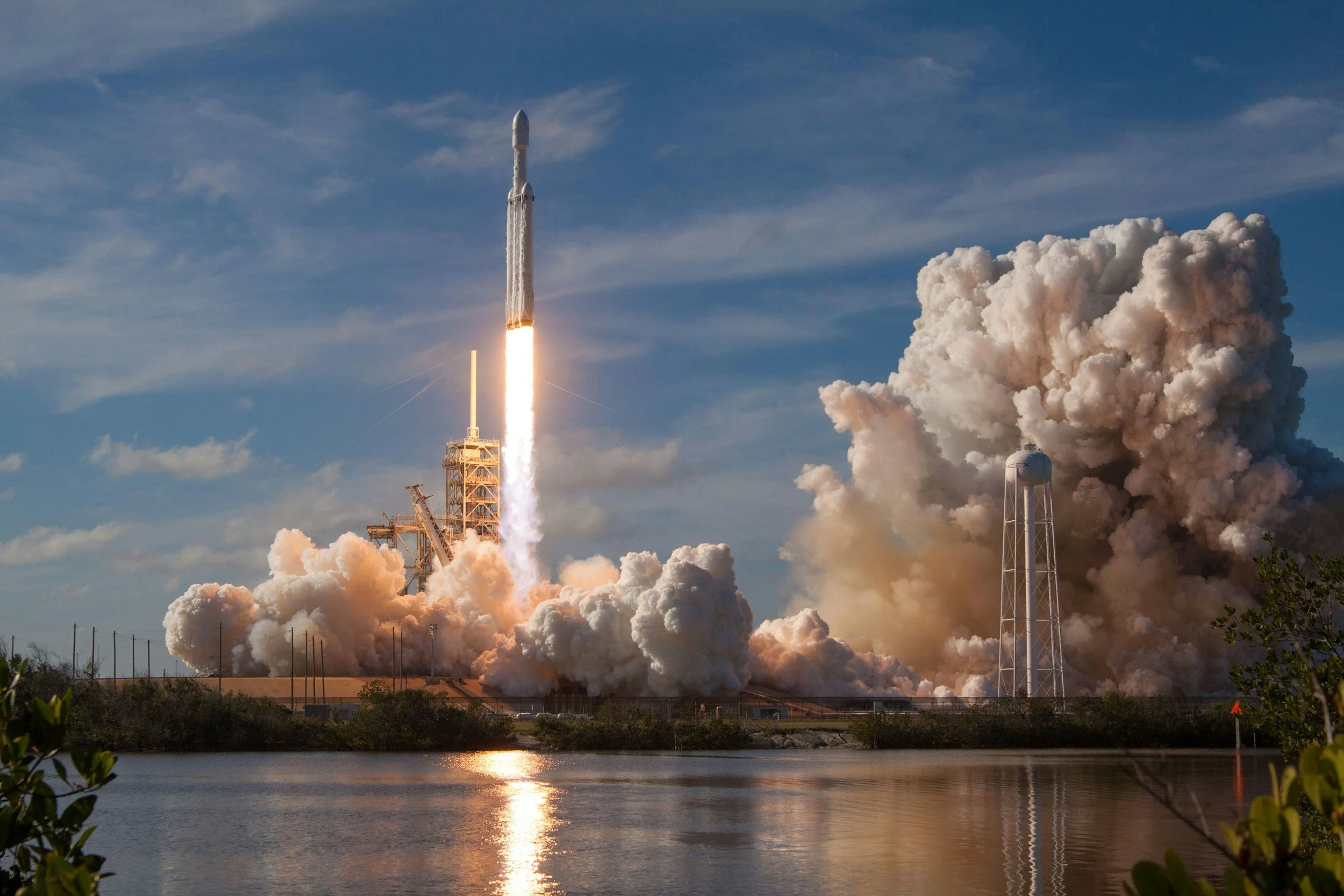
by Eric Ralls, SpaceX Falcon 9 rocket launches 29 Starlink satellites to orbit from Florida
earth.com Available athttps://www.earth.com/news/local-hot-bubble-interstellar-cosmic-channel-connects-our-solar-system-to-other-stars/
(Assessed: 20th January 2026)