Spaceflight is hard on the heart
Researchers have discovered that mini-hearts grown from human stem cells develop faster in space than in labs on Earth. In microgravity, astronauts' hearts change shape, shrink, and weaken due to altered blood flow, especially with more fluid pooling in the head and less in the heart and legs. Heart muscle cells sent to the International Space Station (ISS) also deteriorate and lose their ability to contract.
However, when researchers grow human mini-hearts from stem cells in space, they find the production process is easier and yields higher quantities. Arun Sharma, director of the Center for Space Medicine Research at Cedars-Sinai hospital, shared findings at a recent scientific meeting, explaining that while pre-existing heart cells weaken in low gravity, new heart cells can be created more efficiently.
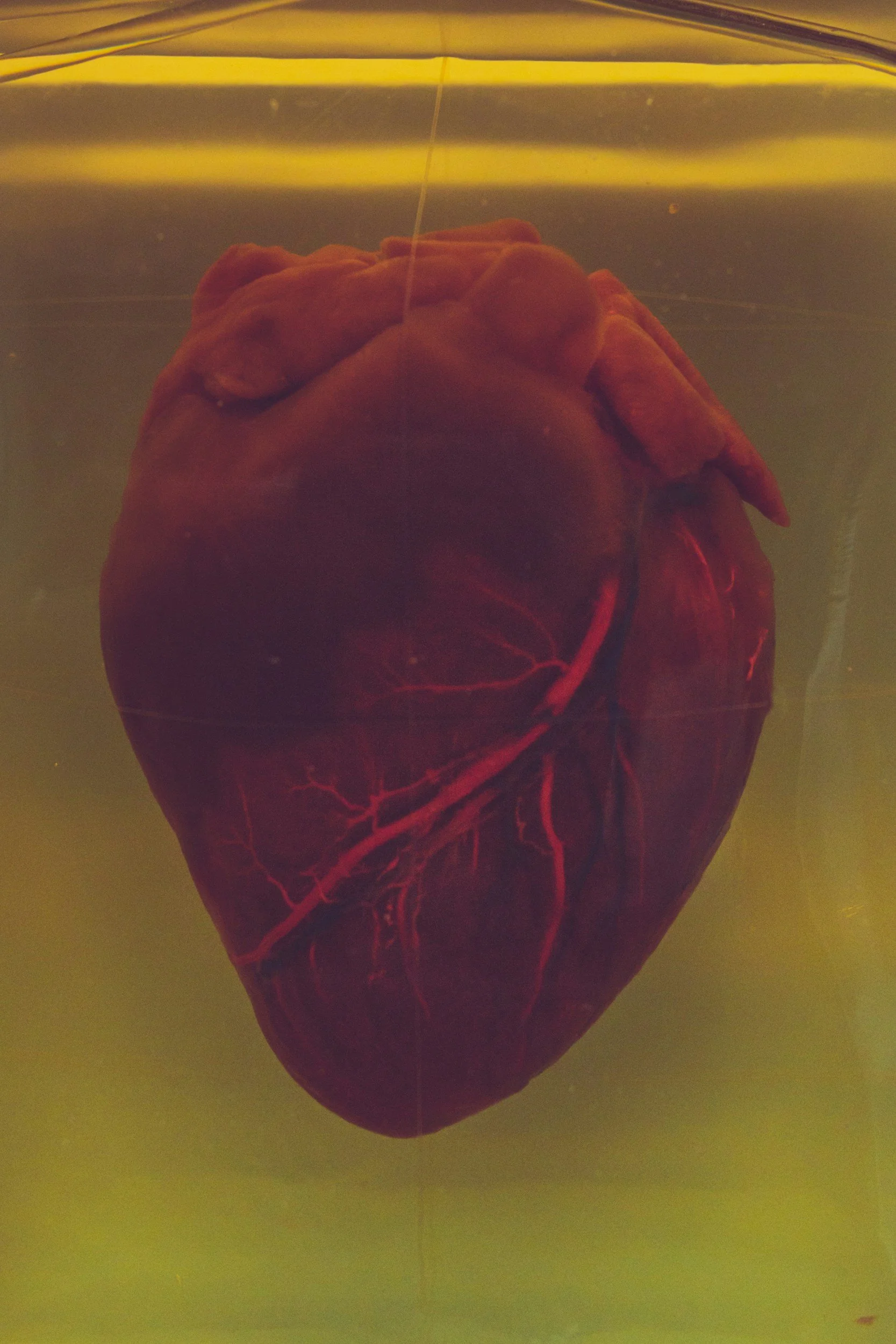
Over the past fifty years, scientists have learned to produce human heart organoids, which are clusters of heart cells that behave like actual hearts, from stem cells. Stem cells are universal cells capable of becoming any human cell and can be derived from human fetuses or adult skin or blood cells. With the right conditions, these stem cells can develop into beating, three-dimensional heart organoids within weeks.
Sharma explained that heart cells are typically grown in suspension bioreactors, which require forces to keep the cells floating, which they do not prefer. In space, cells float naturally, leading to a significant increase in organoid production, although specific numbers are not yet available as the results are still unpublished.
While sending materials to space is costly, Sharma believes that organoids created in space could eventually help patients with heart damage awaiting transplants. Currently, no mini-hearts grown in space have been used in humans, and no tests are scheduled. Researchers are working on heart muscle patches bio manufactured on Earth to help patients, as the human heart cannot heal its muscle on its own. Sharma anticipates that space-grown patches and organoids could be better in quality, producing thicker and more durable tissue that withstands gravity better once returned to Earth.
Due to regulations, it may take years for space-grown mini-hearts to be tested on humans. Sharma foresees that these organoids could be first utilized for testing new heart disease medications. Heart disease is a major cause of premature death globally, claiming millions of lives annually. Stem cell therapies that can regenerate damaged heart muscles are viewed as promising future treatments.
Sharma's team is planning to send more heart cell experiments to the space station with NASA's SpaceX CRS-35 mission, which is set to launch no earlier than August.
Reference
By Tereza Pultarova
Spaceflight is hard on the heart, yet artificial ones grow better in space than on Earth
Available at https://www.space.com/space-exploration/human-spaceflight/spaceflight-is-hard-on-the-heart-yet-artificial-ones-grow-better-in-space-than-on-earth
(Assessed: 12th May 2026)