Quantum Satellite Uplink
Science continually defies limits, and now, what was once considered impossible – sending quantum signals *from* Earth *to* a satellite – appears feasible. This breakthrough could catalyze vast, potent quantum communication systems.
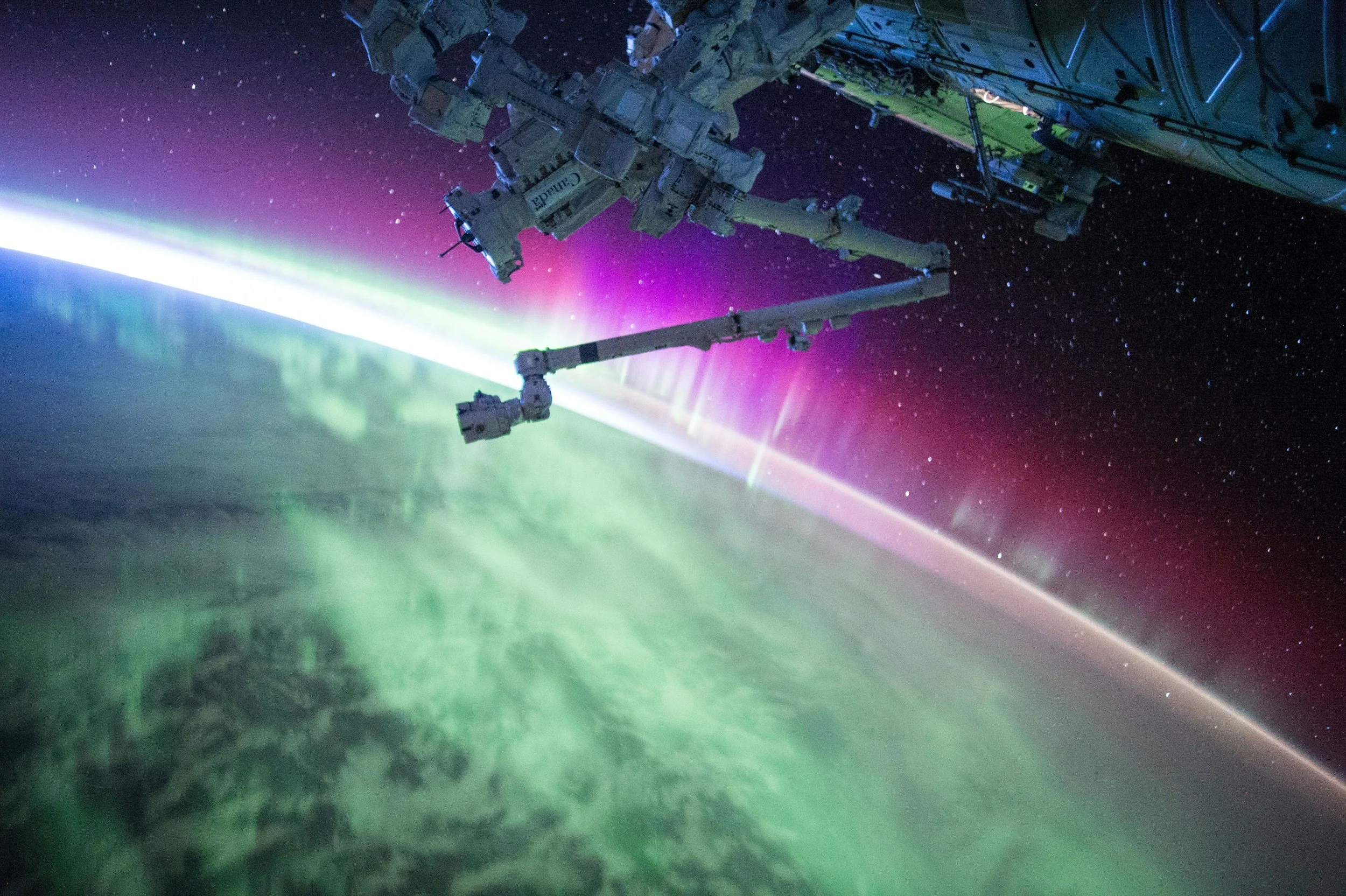
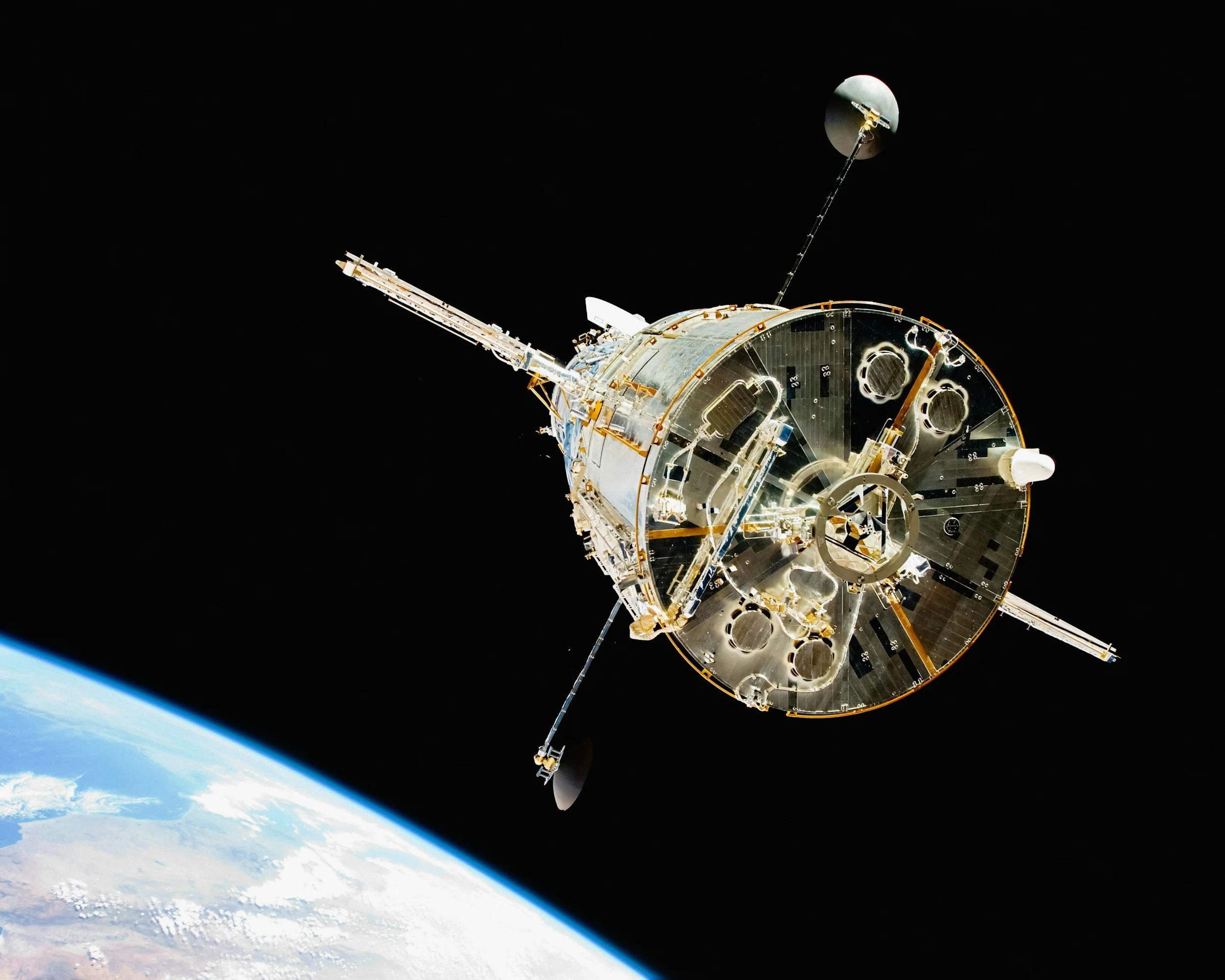
While beaming entangled light *down* from orbit is standard, reversing the process was deemed unachievable due to signal fragility. However, a new investigation by a Sydney team indicates it can be done. Their intricate model, employing a technique called "entanglement swapping," accounted for atmospheric conditions, satellite trajectories, and random interference.
Imagine sending two precise light particles from Earth to flawlessly meet on a rapidly moving satellite 500 kilometers up. Their findings surprisingly confirmed this "uplink" is viable, even when factoring in real-world elements like moonlight and atmospheric disturbances.
The significance? A quantum internet pledges impenetrable security; data instantly scrambles if any unauthorized entity attempts to observe it. Entangled particles are the core of authenticating these secure channels.
Presently, these secure keys originate on satellites and descend to Earth. This direction is simpler due to better signal stability and larger, stationary ground targets. The main constraint is power: satellites possess little. Ground stations, conversely, have ample supply. Shifting the more complex tasks to Earth enables faster generation of far more entangled pairs, which can then be beamed up to satellites for wider dissemination.
The satellite itself would only require a minimalist optical component to process incoming photons, circumventing the need for elaborate, energy-intensive quantum gear. This approach minimizes expense and bulk, fostering high-bandwidth quantum connections.
Some catches: it would only work at night to avoid sun interference, and require meticulous calibration. Nevertheless, it establishes a vital groundwork.
A complete quantum network remains distant, but confirming the theoretical viability of two-way systems marks a considerable advance. Future field tests might utilize drone or balloon-mounted receivers.
Eventually, quantum entanglement will resemble electricity: an ubiquitous resource, unseen by the user, powering diverse applications – simply "plug in and operate."
-Reference
by David Nield, Scientists Thought a Quantum Satellite Uplink Was Impossible – Until Now
sciencealert.com Available athttps://www.sciencealert.com/scientists-thought-a-quantum-satellite-uplink-was-impossible-until-now
(Assessed: 20th January 2026)