Plastic waste as household fuel in the world’s poorest cities
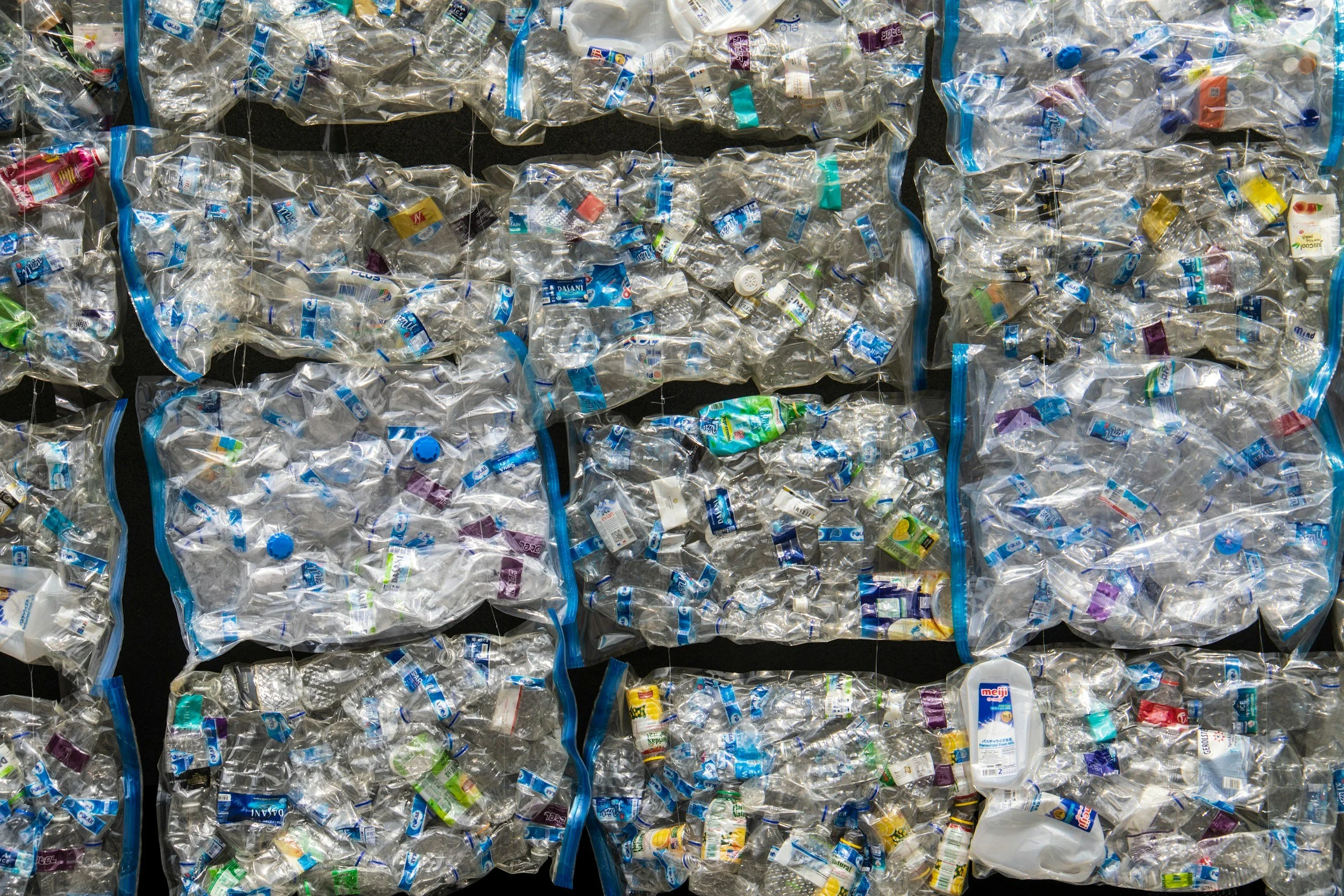
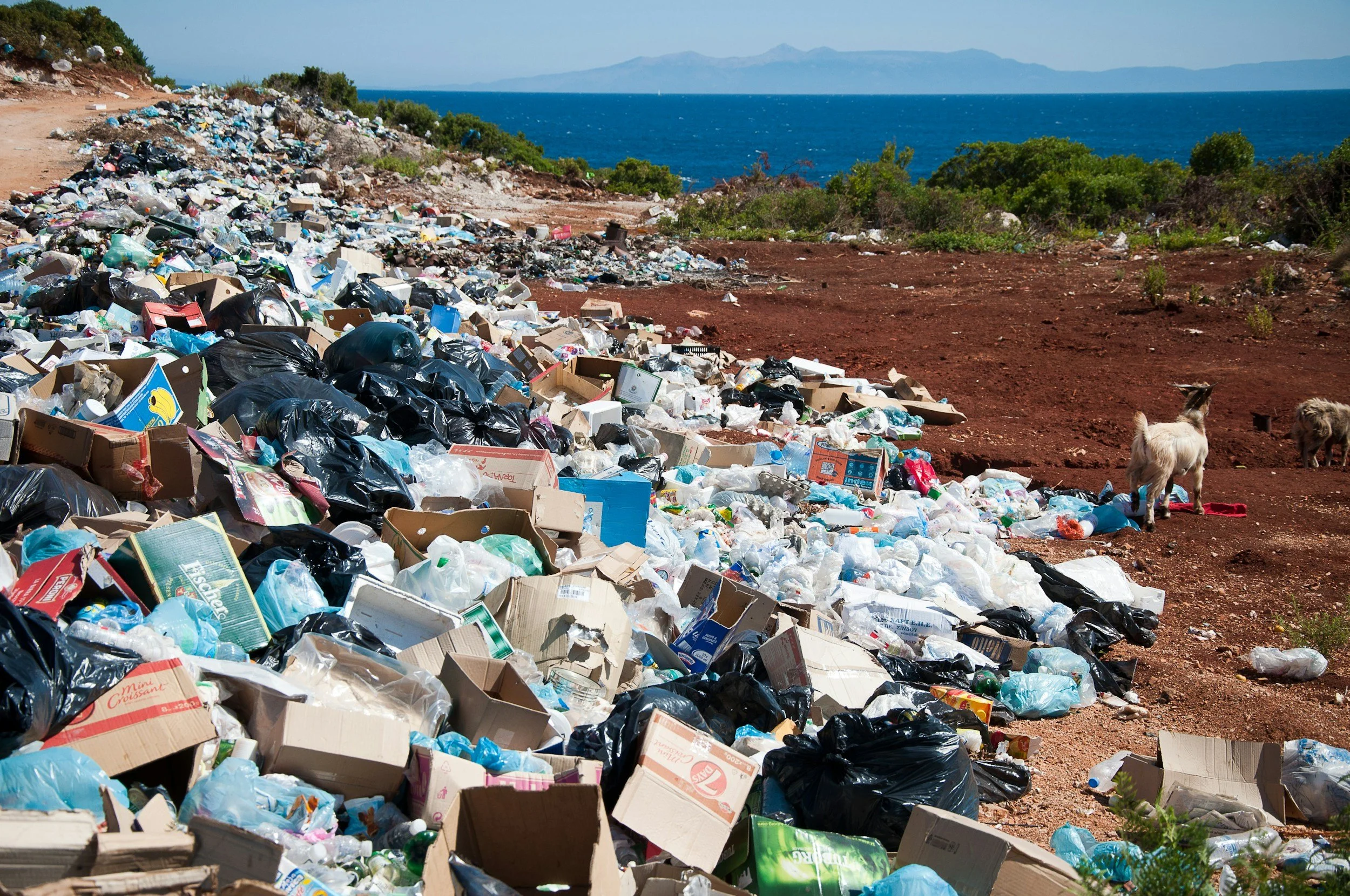
Plastic is ubiquitous. In struggling communities, it’s often burned out of desperation. When fuel is scarce and waste collection absent, plastic becomes a last-resort energy source.
This hidden practice largely escapes global attention, occurring in unseen corners. It profoundly impacts vulnerable families, though it doesn't resemble industrial pollution.
A recent international study finally quantified this problem, surveying over 1,000 individuals in 26 countries. These respondents, working with low-income communities, reported widespread awareness of plastic burning; many witnessed it, and some even participated.
Beyond waste disposal, plastic serves as fuel for cooking, heating, lighting, and pest control – a costly substitute. Dr. Bishal Bharadwaj notes this issue remains largely unseen. Lacking affordable clean fuel and waste services, plastic is both a problem and a desperate solution. People burn all sorts of plastic, from bags to packaging, just to meet basic needs. This widespread practice in marginalized communities is overlooked globally, despite severe health and environmental dangers.
Simple stoves send thick, toxic smoke into cramped homes and neighborhoods. The fumes permeate living spaces, affecting where people sleep, cook, and eat. Women, children, the elderly, and disabled are most exposed, spending the most time near these fires. Indoor smoke is already risky; burning plastic amplifies this danger significantly.
Burning plastic releases dangerous chemicals. PVC, common in these fires and the third most burned plastic, is particularly harmful. It releases highly toxic dioxins and furans, known to cause severe health issues like cancer and reproductive problems, which linger in the environment and food chain.
Beyond lung damage, 60% of respondents believed toxic chemicals contaminate food and water. Evidence from studies near burning sites confirms toxins in soil and food, creating a hidden health crisis for already struggling communities.
Bans are ineffective because people lack safer options due to extreme energy poverty, costly clean fuels, and poor waste services. With plastic use projected to triple by 2060, the stakes are rising. Solutions must include better sanitation, affordable modern cooking energy, and culturally appropriate options, backed by this research to aid vulnerable urban populations.
Reference
by Rodielon Putol , Plastic waste has become a household fuel in the world’s poorest cities
earth.com Available at https://www.earth.com/news/plastic-waste-has-become-a-household-fuel-in-the-worlds-poorest-cities/
(Assessed: 20th January 2026)